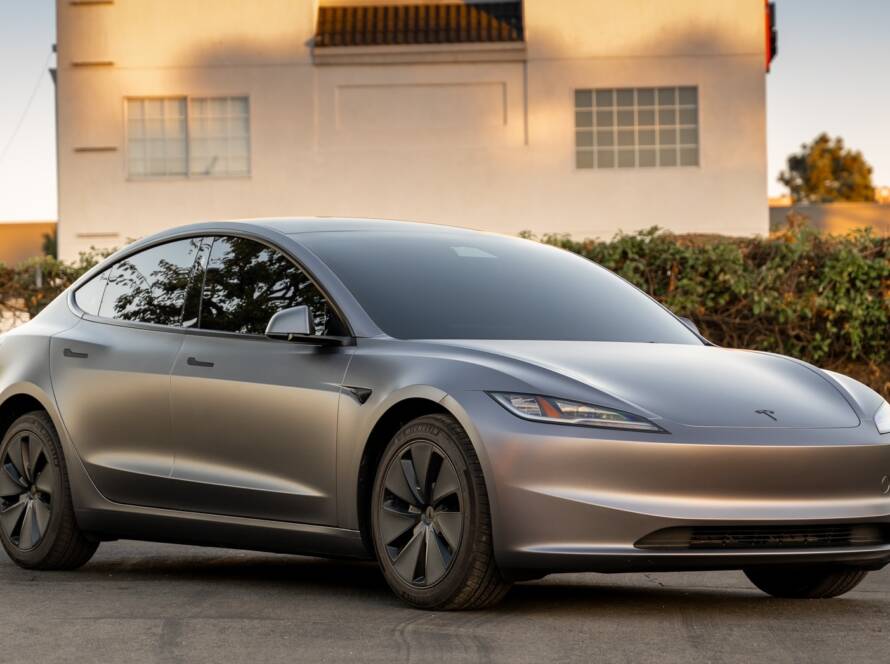
Driver’s Guide to Knowing It’s Time to Change Your Wrap
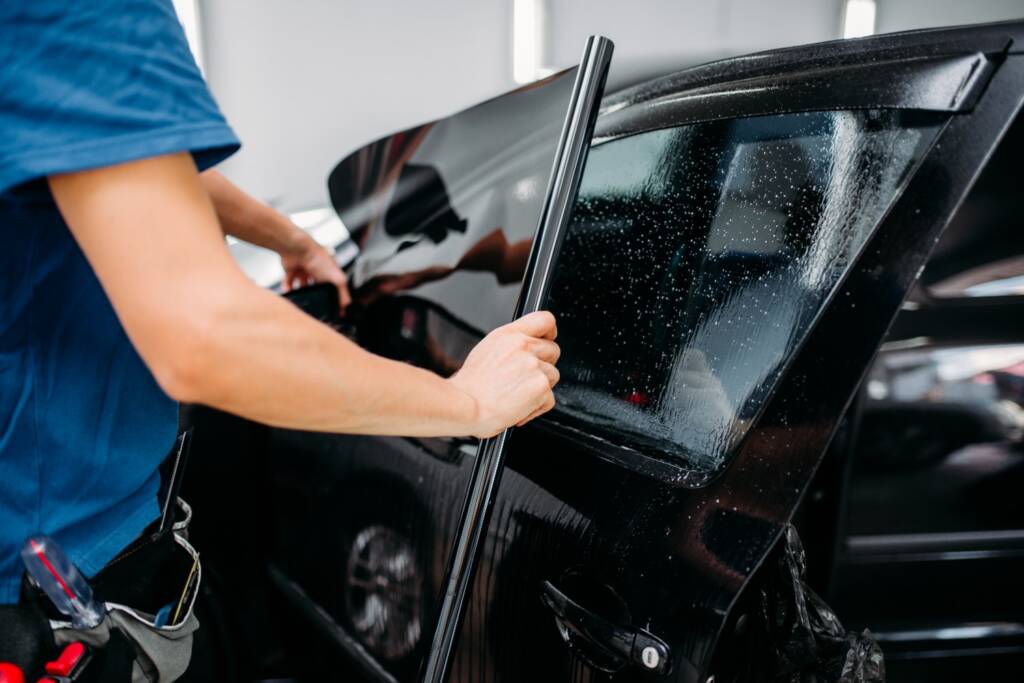
This guide is designed to help you identify the key signs that your vehicle wrap requires replacement to ensure your car continues to look its best from the Bay Area’s most trusted wrap studio.
Principal Indicators for Replacement:
- Fading and Color Shift: Colors appear dull, washed out, or shifted, especially on the hood and roof, indicating UV breakdown.
- Cracking and Brittleness (Crazing): Fine cracks allow moisture and dirt to compromise the adhesive bond.
- Lifting and Peeling: Edges, seams, and vulnerable areas lifting signal adhesive failure that will rapidly spread.
- Chalking or Discoloration: A hazy, white residue shows the top protective layer (laminate) is oxidizing.
- Excessive Bubbling or Blistering: New or numerous bubbles suggest the adhesive is failing.
Monitor these signs and consult a professional for a smooth, protective transition to a new wrap.
This comprehensive guide to reading the warning signs, understanding lifespan, and getting your next wrap right — You invested in a professional car wrap. It transformed your vehicle, protected your paint, and — if it was a commercial wrap — it has been advertising your business every single mile you have driven. But now, something has changed. Maybe the color does not look as vibrant as it used to. Maybe you are noticing edges that seem to be pulling away. Maybe it has simply been a few years and you are wondering: is it time?
Knowing when to replace a car wrap is one of the most practical questions any vehicle owner or business operator can ask. Replace it too early and you leave value on the table. Wait too long and a deteriorating wrap starts doing the opposite of what it was meant to do — instead of enhancing your vehicle’s appearance or your brand’s credibility, it undermines both.
This guide covers every signal, every timeline, and every situation that tells you it is time for a fresh wrap. Whether you are a personal vehicle owner, a small business with a branded Sprinter van, or a fleet operator managing twenty vehicles across the Bay Area, this guide is for you.
The right time to replace your wrap is before it becomes a liability — not after. This guide helps you find that exact moment.
1. How Long Should a Car Wrap Last? Setting the Baseline
Before you can know when to replace your wrap, you need to understand what a realistic lifespan looks like. Wrap longevity depends on four core variables: the quality of the vinyl used, the quality of the installation, how the vehicle is used and stored, and how well the wrap has been maintained.
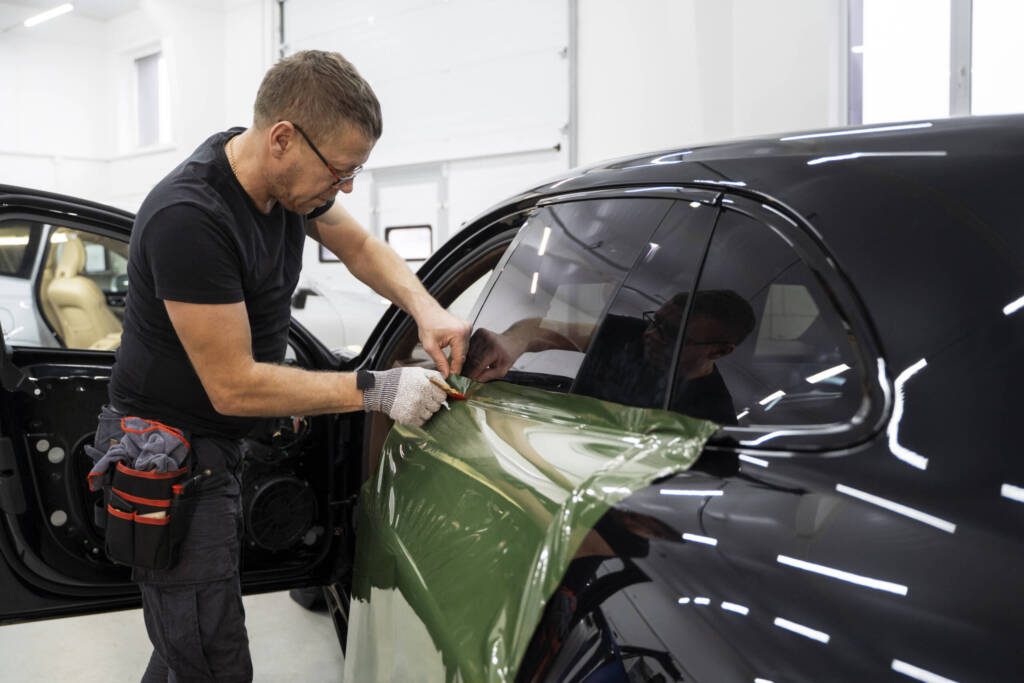
Here are the general lifespan benchmarks for wraps in the San Francisco Bay Area:
| Wrap Type / Material | Expected Lifespan | SF Bay Area Notes |
| Standard Cast Vinyl (budget brands) | 2–3 years | Marine layer & UV accelerate degradation |
| Premium Cast Vinyl (3M, Avery Dennison, KPMF) | 3–7 years | With proper care and garage storage |
| Colored PPF (Paint Protection Film) | 7–10 years | Self-healing; most durable option available |
| Matte / Satin Finish Wrap | 3–5 years | Shows wear earlier; requires careful maintenance |
| Chrome / Specialty Finish | 2–4 years | Most sensitive to micro-scratches and UV |
| Printed Commercial / Fleet Wrap | 3–5 years | Laminate quality significantly affects lifespan |
| Partial Wrap / Spot Graphics | 3–5 years | Edges most vulnerable; monitor closely |
These are averages under normal Bay Area conditions. A wrap installed by a certified professional using premium materials, applied to a properly prepared vehicle, stored in a garage, and hand-washed regularly will trend toward the upper end of its range — or even beyond. A wrap installed cheaply, using low-grade vinyl, on a vehicle parked permanently outdoors on a sun-exposed street, will trend toward the lower end.
2. The 10 Clear Signs It Is Time to Replace Your Car Wrap
Some signs are obvious. Others are subtle — easy to dismiss until they become a real problem. Here are the ten clearest signals that your wrap has reached the end of its useful life:
Sign #1: Visible Color Fading or Discoloration
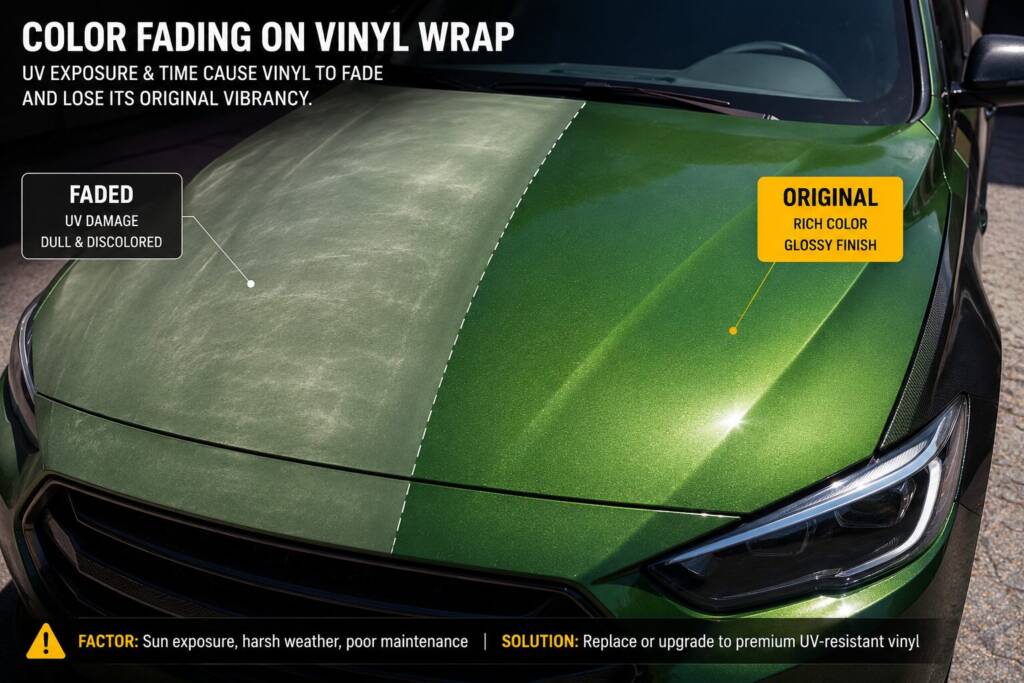
The most common and unmistakable sign of an aging wrap. UV radiation from the sun gradually breaks down the pigments in vinyl film, causing colors to fade, dull, or shift. Bright reds become pink. Deep blacks turn hazy gray. Vivid blues lose their saturation.
Fading is especially pronounced on horizontal surfaces — the hood, roof, and trunk lid — which receive direct overhead sun exposure. It is also more visible on matte finishes, which tend to show oxidation as a patchy, uneven texture before full fading sets in. If your wrap is noticeably lighter, duller, or inconsistent in color from panel to panel, it is time.
Pro tip: Compare a protected area (like the underside of a door jamb or a panel that has been covered by a sticker) to exposed panels. A significant color difference tells you exactly how much the wrap has faded overall.
Sign #2: Edge Lifting and Peeling
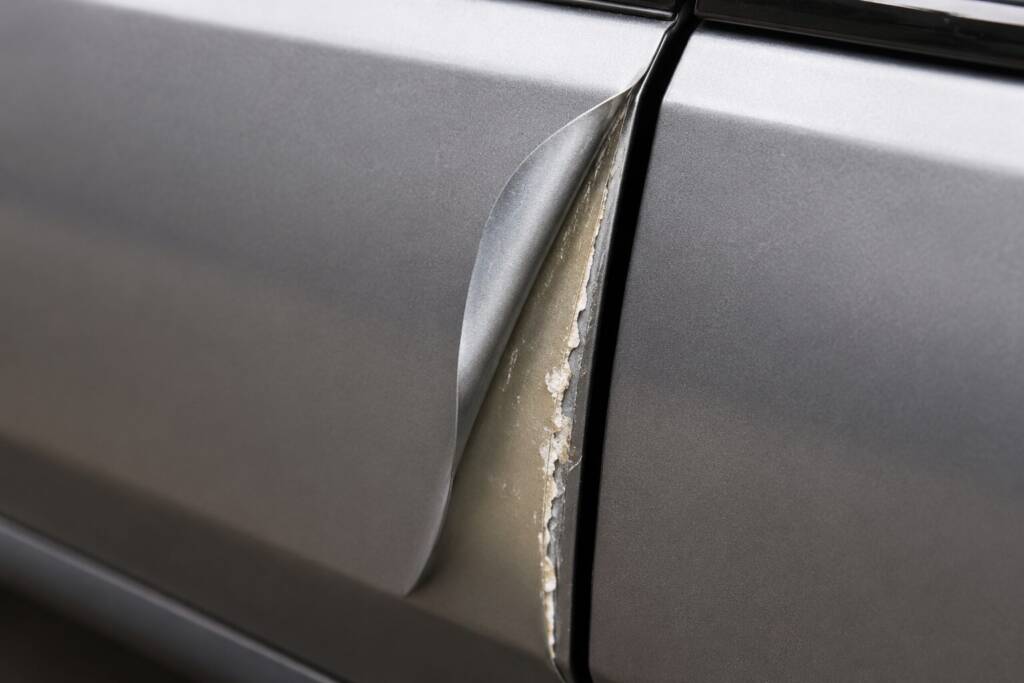
Edges, corners, door jambs, and seams are the first areas where an aging wrap begins to fail. The adhesive weakens over time — particularly when exposed to moisture cycles (fog, rain, condensation) and heat — and the vinyl begins to lift away from the vehicle surface.
Early edge lifting is repairable in some cases — a trained installer can re-seal small lifts with edge sealant or heat. But widespread peeling across multiple panels is a clear sign that the wrap has passed its prime and the adhesive layer has broadly broken down. At this point, attempting to re-seal becomes a game of whack-a-mole.
For commercial vehicles, peeling edges are particularly damaging — they signal to customers that your business does not maintain its image. For personal vehicles, they create entry points for moisture that can cause corrosion on the underlying paint.
- Check: Run your finger along door seams, bumper edges, mirror edges, and hood corners
- If you find: Lifted edges on more than two or three panels — schedule a full replacement consultation
Sign #3: Bubbling or Blistering Beneath the Film
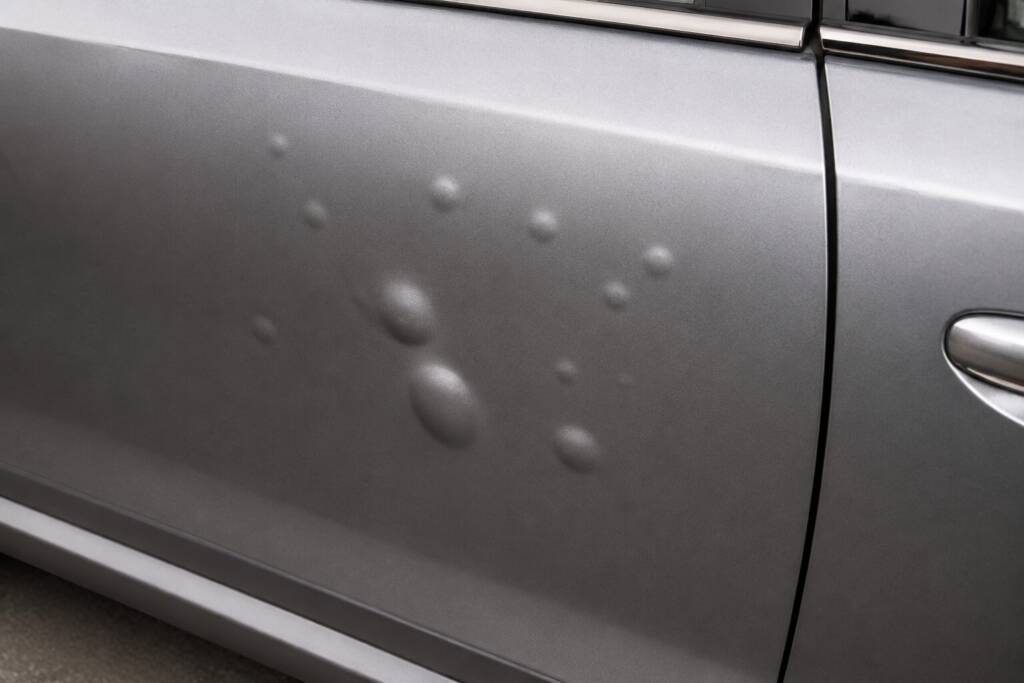
Small bubbles trapped beneath the vinyl surface are a sign of adhesive failure. They can develop when moisture infiltrates a compromised edge, when the wrap was installed in suboptimal conditions, or when the vehicle has been exposed to prolonged high temperatures.
Minor bubbles that appear shortly after installation can sometimes be pressed out by a professional installer — this is often a curable installation issue. But bubbles that appear years into the wrap’s life, or that multiply and spread across panels, indicate that the adhesive layer has fundamentally broken down and the wrap needs replacement.
Sign #4: Surface Cracking or Crazing
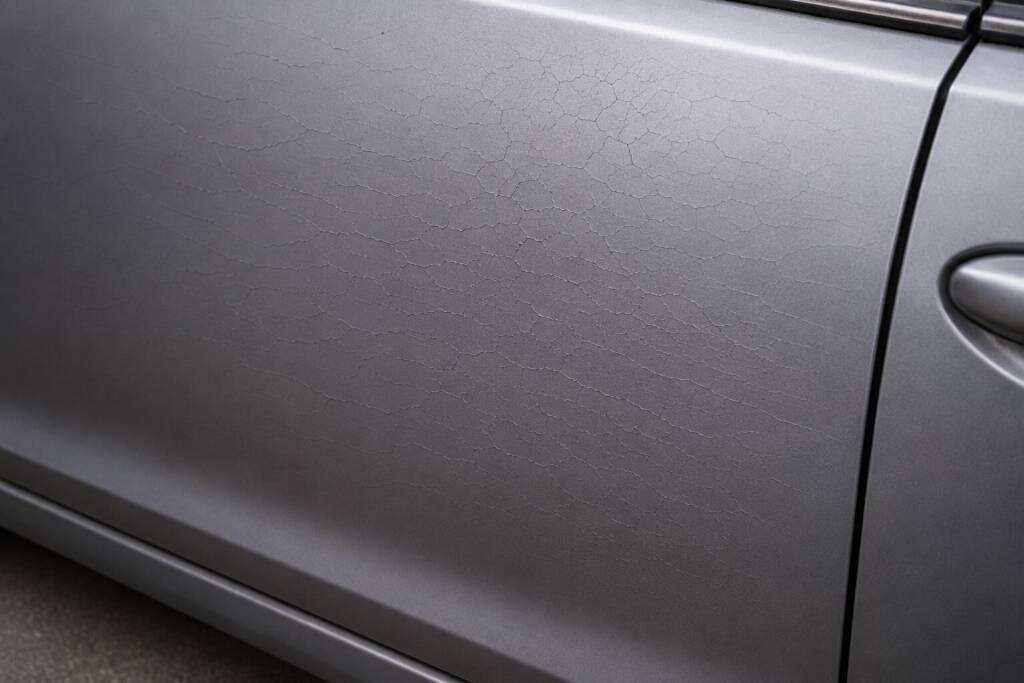
Over time, vinyl film loses its plasticizers — the chemicals that keep it flexible. As the film dries out, it becomes brittle and begins to develop fine surface cracks, a phenomenon called crazing. This appears as a network of tiny hairline cracks across the vinyl surface.
Crazing is irreversible. Once a vinyl film has reached this stage, no amount of cleaning, conditioning, or detailing will restore it. The film’s structural integrity has been compromised and it must be replaced.
Crazing tends to appear first on areas that experience the most temperature cycling and UV exposure — the roof, hood, and trunk lid. It is more common in budget-grade vinyl films that have lower quality plasticizer compounds.
This is one of the strongest arguments for using premium vinyl from manufacturers like 3M, Avery Dennison, and KPMF — their formulations are significantly more resistant to plasticizer loss and maintain flexibility far longer.
Sign #5: Haziness or Loss of Clarity (Gloss Wraps)
On gloss and metallic wraps, a key sign of aging is the development of a milky haze or cloudiness on the surface — particularly on horizontal panels. This is caused by micro-abrasions from washing, UV degradation of the surface layer, and oxidation of the vinyl’s top coat.
A fresh gloss wrap should look like a mirror. When that mirror-like clarity is replaced by a dull, hazy appearance that does not clear up with washing or light polishing, the vinyl’s surface layer has been compromised. Professional polishing can extend the life of a gloss wrap somewhat, but once haziness becomes pervasive, replacement is the proper solution.
Sign #6: Outdated Branding or Business Information (Commercial Wraps)
For business owners, this sign has nothing to do with physical deterioration — it is about relevance. Has your logo been redesigned? Has your phone number, website, or service offering changed? Has your brand’s color palette evolved?
A commercial wrap with outdated information is actively working against you. Customers calling an old phone number get disconnected or reach a different business. A website URL that no longer exists creates confusion. Outdated branding signals a business that is behind the times — the opposite of the impression you want to create.
In the fast-moving Bay Area business environment — where startups rebrand, service businesses expand their offerings, and companies move locations — it is common for commercial wraps to become outdated before they physically degrade. That is completely fine. A wrap replacement is a branding investment, not just a maintenance cost.
Rule of thumb: If your wrap has been on for 3+ years and your business has changed in any significant way — logo, services, contact info, geographic territory — it is worth evaluating a replacement even if the wrap still looks decent physically.
Sign #7: Significant Accident Damage or Repair Work
If your vehicle has been in a collision and body panels have been repaired, repainted, or replaced, those panels will no longer match the surrounding wrap in color, texture, or finish. Even the best color-matching on fresh paint rarely perfectly replicates the aged appearance of a surrounding multi-year-old wrap.
In this situation, the most cost-effective and visually coherent solution is usually a full wrap replacement rather than attempting to patch or match individual panels. A new wrap brings the entire vehicle back to a consistent, flawless appearance — and gives you the opportunity to update the design at the same time.
SFG Wraps has significant experience working with vehicles coming out of body shops across the Bay Area. We coordinate timing with repair facilities to minimize vehicle downtime and ensure the best possible outcome.
Sign #8: Persistent Staining That Cannot Be Removed
Some environmental contaminants — particularly tree sap, bird droppings with high uric acid content, industrial fallout, and certain chemical spills — can permanently stain vinyl if they are left on the surface long enough. Once the vinyl’s surface layer has been chemically altered by a stain, no cleaning product will fully restore it.
Persistent staining is most often the result of neglect — contaminants that sat on the wrap surface for too long before removal attempts. This is especially common on vehicles that are parked outdoors in tree-lined residential streets in the East Bay.
If staining is limited to one or two panels, a partial replacement may be the most cost-efficient solution. If staining is widespread across the vehicle, a full replacement is the answer.
Sign #9: The Wrap Has Simply Reached Its Age Threshold
Sometimes there is no single dramatic sign — the wrap has just aged gracefully to the end of its natural lifespan. Colors are still reasonable but slightly muted. Edges are still adhering but beginning to look tired. The overall visual impact is a fraction of what it was on installation day.
If your wrap is more than five years old and has been on a vehicle that lives outdoors, this gradual age-driven decline is completely normal and expected. A fresh wrap will be a revelation — the color depth, sharpness, and visual impact of new vinyl versus five-year-old vinyl is dramatic.
For commercial vehicle operators, this is the time to think strategically: what should the new wrap look like? What has changed about your business, your target customer, and your brand identity since the last wrap was installed? A replacement is an opportunity, not just a maintenance task.
Sign #10: You Want a New Look — And That Is Reason Enough
Vehicle wraps are, fundamentally, a personal and business expression tool. If you have had the same color or design for several years and you are simply ready for something new — a different finish, an updated aesthetic, a completely different color — that is a completely valid reason to replace your wrap.
This is one of the great advantages of wraps over paint: the decision to change your vehicle’s appearance is not permanent, not outrageously expensive, and not a multi-week ordeal. It is a planned, professional process that takes a few days and results in a vehicle that looks brand new.
Some SFG Wraps clients return every two to three years not because their wrap has degraded, but because they love the ability to evolve their vehicle’s personality. In the Bay Area’s culture of innovation and personal expression, that is a perfectly legitimate and increasingly common choice.
3. The San Francisco Bay Area Factor: How the Bay Area Affects Your Wrap
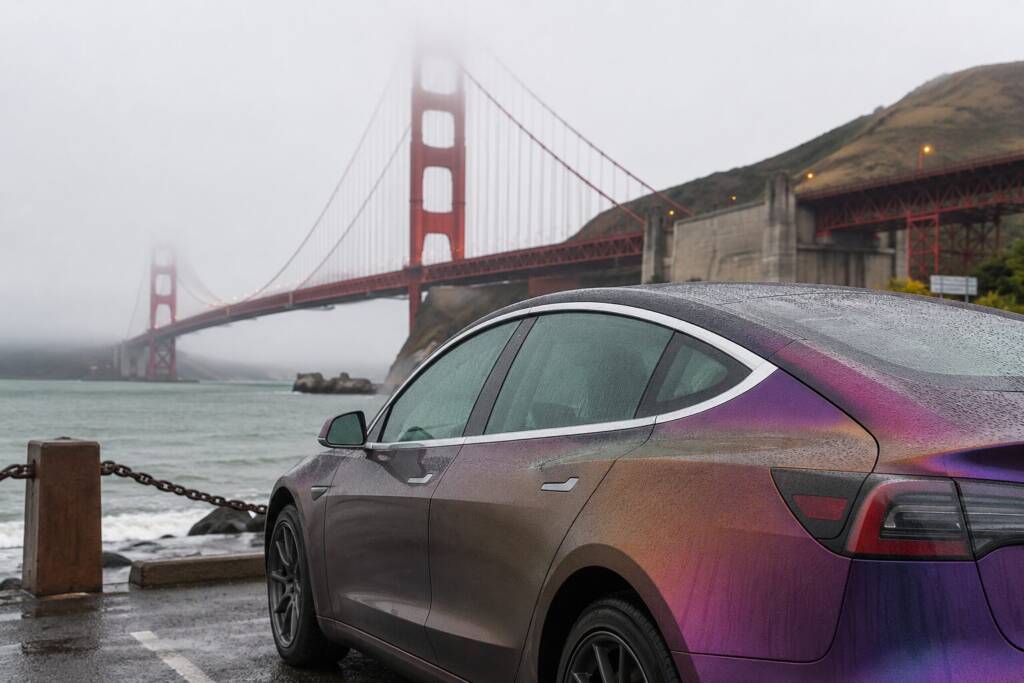
San Francisco and the greater Bay Area present a specific set of environmental conditions that every wrap owner should understand. These factors influence both when your wrap will need replacement and how you can extend its life.
The Marine Layer and Coastal Moisture
The Bay Area’s famous marine layer — the bank of low clouds and fog that rolls in from the Pacific and the Bay — deposits a constant light moisture on vehicle surfaces. For wrap owners, this creates two challenges:
- Edge adhesion stress: Repeated cycles of moisture infiltration and drying at wrap edges accelerate adhesive fatigue, causing edges to lift faster than in drier climates
- Surface contamination: Fog deposits fine particulates on the wrap surface that, if not regularly washed off, can cause micro-abrasion and staining over time
The solution is consistent hand washing — not less frequent washing to avoid ‘overworking’ the wrap, but more frequent, gentle washing to keep the surface clean. A vinyl wrap maintained in San Francisco needs more regular attention than one in a dry inland climate.
Salt Air Near the Bay and Ocean
Vehicles that are regularly parked or driven near the Bay waterfront, Ocean Beach, the Embarcadero, or any coastal area are exposed to salt-laden air. Salt is corrosive to both vinyl adhesive and to the bare metal beneath — a particular concern if edge lifting has already begun.
If you live or work near the water, edge sealing is especially important during installation, and edge inspections should be more frequent — ideally every six months rather than annually.
UV Exposure on Clear Days
While San Francisco’s fog provides some natural UV protection, the surrounding Bay Area — including the East Bay, South Bay, and Peninsula — experiences significant UV exposure on clear days. UV radiation is the primary cause of color fading and vinyl degradation. Vehicles parked outdoors in Fremont, San Jose, or the Tri-Valley area will typically see faster color degradation than those in fog-heavy neighborhoods like the Outer Sunset or Daly City.
Urban Parking Hazards
San Francisco’s dense urban environment means vehicles are regularly parked on tight streets, navigating tight parking garages, and sharing space with cyclists, delivery trucks, and other vehicles. Door dings, minor brush contact, and scrapes are far more common than in suburban environments.
A vinyl wrap absorbs much of this minor contact damage — often more gracefully than bare paint — but it also means wrap surfaces accumulate micro-scratches over time from urban driving and parking. This is especially noticeable on dark matte wraps.
4. Repair vs. Replace: How to Decide
Not every wrap issue requires a full replacement. Here is a practical framework for deciding whether to repair a section or replace the entire wrap:
| Issue | Scope | Recommended Action |
| Edge lifting | 1–2 small edges | Professional edge re-seal — repair |
| Edge lifting | 3+ panels / widespread | Full replacement recommended |
| Small bubble (post-install) | 1–3 bubbles, single panel | Professional re-application — repair |
| Bubbling | Widespread across panels | Full replacement — adhesive failure |
| Color fading | One panel only (post-accident) | Partial replacement of affected panel(s) |
| Color fading | Uniform across vehicle | Full replacement |
| Surface crazing | Any extent | Full replacement — irreversible film failure |
| Persistent stain | 1–2 panels | Partial panel replacement |
| Persistent stain | Multiple panels | Full replacement |
| Accident damage | Specific panels repaired | Partial or full replacement (match dependent) |
| Outdated branding | Any extent | Full replacement — rebrand opportunity |
| Wrap age 5+ years | Whole vehicle | Full replacement — proactive maintenance |
The general principle: if the issue is isolated to one or two panels and the rest of the wrap is in solid condition, a targeted partial replacement is cost-efficient. If the issue is systemic — widespread adhesive failure, pervasive fading, or crazing across multiple panels — a full replacement delivers far better value than patchwork repairs.
It is also worth noting that partial panel replacements require precise color and finish matching, which is only reliably achievable with current production runs of the same vinyl. A panel replaced two years after the original installation may be close but not identical — another reason why early action on developing issues produces better results than delayed repair.
5. How to Extend Your Wrap’s Life Before Replacement Is Needed
The best time to think about replacement is before your wrap starts to fail — by following a care regimen that maximizes its lifespan. Here are the practices SFG Wraps recommends to every client:
Washing
- Hand wash using a pH-neutral automotive soap and a soft microfiber cloth — the single most effective thing you can do
- Wash every 1–2 weeks in the Bay Area — more frequently if parked under trees or near the water
- Rinse with cool or warm water; never use a high-pressure washer closer than 12 inches from the surface
- Avoid brush-based automatic car washes entirely — the bristles create micro-scratches that accumulate over time
- Touchless automatic washes are acceptable in a pinch, but hand washing is always superior
Post-Wash Care
- Dry with a clean, soft microfiber towel or use a water blower — water spots on dark wraps are visible and can leave mineral deposits
- Apply a wrap-specific spray detailer or sealant (available at automotive retailers) to add a light protective layer and restore surface sheen
- For matte wraps: use only matte-specific spray products — standard polish or wax will add gloss and permanently alter the finish
Storage
Avoid parking directly under trees that drop sap, berries, or seed pods
Garage storage is the single most impactful thing you can do for wrap longevity — it eliminates UV exposure, moisture cycling, and airborne contamination
If outdoor parking is unavoidable, use a quality car cover rated for UV and moisture protection
Prompt Contamination Removal
- Remove bird droppings immediately — uric acid etches vinyl within hours in warm temperatures
- Remove tree sap by soaking with warm water first, then gently blotting — never scraping
- For stubborn residue, use 70% isopropyl alcohol on a soft cloth, with minimal pressure
Annual Professional Inspection
We recommend bringing your wrapped vehicle in for an annual inspection at SFG Wraps. Our installers can assess edge adhesion, surface condition, and overall wrap integrity — and catch developing issues before they become costly failures. This is especially valuable for commercial vehicles where wrap appearance directly impacts brand perception.
An annual wrap inspection at SFG Wraps takes less than 30 minutes and can add years to the life of your wrap by catching issues early. Call 510-552-5658 to schedule yours.
6. The Wrap Replacement Process at SFG Wraps
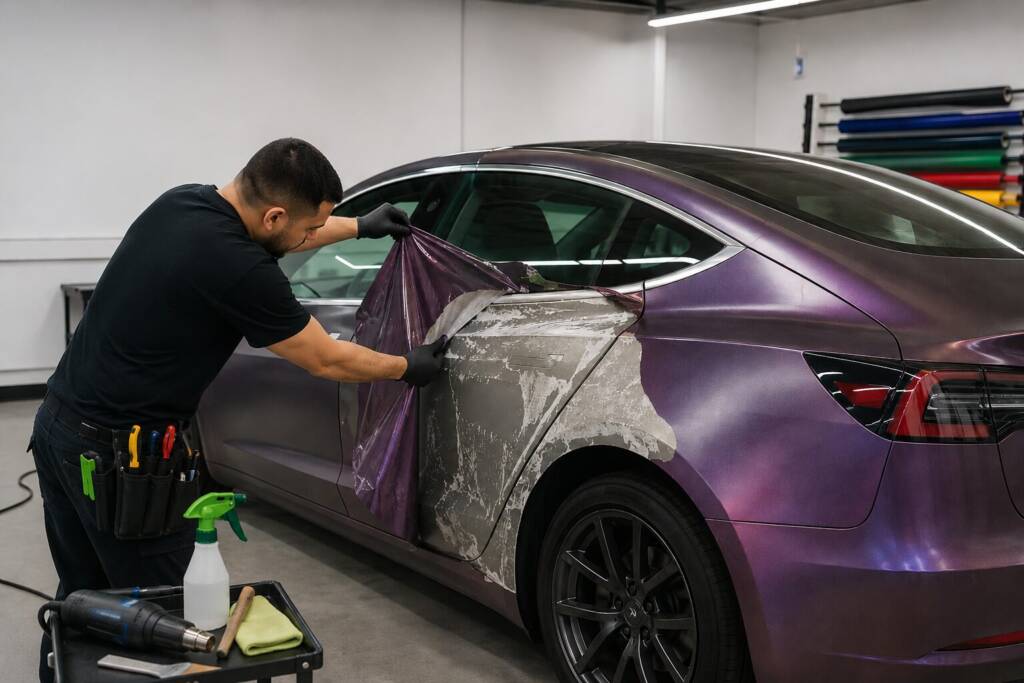
If you have decided it is time for a replacement — or you want a professional assessment to make that determination — here is exactly what the process looks like at SFG Wraps:
Step 1 — Free Assessment & Consultation
Bring your vehicle in for a no-obligation assessment. Our certified installers examine the current wrap’s condition, identify any underlying paint issues that need addressing before re-wrapping, and discuss your goals for the new wrap. We provide honest advice on whether a full replacement, partial replacement, or specific repair is the right approach.
Step 2 — Removal of the Old Wrap
Professional wrap removal is a skilled process. Using heat guns and specialized tools, our installers remove the old vinyl carefully to avoid stressing the underlying paint. Any adhesive residue is fully cleaned off using professional-grade adhesive removers that are safe for automotive paint.
This is a critical step — aggressive removal by inexperienced hands can pull paint from panels, particularly on vehicles where the original paint had pre-existing chips or adhesion weaknesses. SFG Wraps’ installers are trained specifically in safe removal techniques.
Step 3 — Paint Inspection & Preparation
Once the old wrap is removed, the bare paint is inspected for any damage, corrosion, or contamination. If paint issues are found, we advise on addressing them before the new wrap is applied — wrapping over existing paint damage creates a sub-standard result. The vehicle is then thoroughly cleaned and decontaminated to prepare for the new application.
Step 4 — New Design & Material Selection
This is where the excitement begins. With a clean, bare vehicle in front of us, you have a completely fresh canvas. Our design team creates digital mockups of your new wrap on your actual vehicle. You can choose to replicate the previous design, make refinements, or go in an entirely new direction.
Material selection is guided by your priorities: if maximum longevity is the goal, we recommend premium vinyl or Colored PPF. If budget is a primary consideration, we identify the best value option within your parameters. If you want a finish that was not available when your original wrap was installed — perhaps a new color-shift vinyl or a texture that was not on the market then — this is the time to explore it.
Step 5 — Installation & Quality Control
Installation follows SFG Wraps’ established quality process: climate-controlled environment, certified installers, premium materials, and a detailed final inspection. Every edge is sealed. Every seam is checked. Every panel is inspected in multiple lighting conditions before the vehicle is returned to you.
Step 6 — Care Briefing & Warranty
Before you drive away, we walk you through care instructions for your specific new vinyl — including any finish-specific guidance for matte, satin, chrome, or specialty wraps. Every SFG Wraps installation comes with a workmanship warranty, and we are always available by phone for questions or concerns after installation.
7. What Does a Wrap Replacement Cost in the San Francisco Bay Area?
Wrap replacement costs can vary depending on several factors. Please contact SFG Wraps for a precise quote for your specific vehicle and project requirements. We offer free assessments and provide detailed written quotes before any work begins.
8. Quick Reference: Your Wrap Replacement Checklist
Use this checklist to assess your wrap’s current condition. If you answer yes to two or more questions, it is time to contact SFG Wraps for a professional assessment:
| Inspection Point | Check |
| Has the wrap been installed for 5 or more years? | [ ] Yes [ ] No |
| Is the color noticeably faded or discolored compared to installation? | [ ] Yes [ ] No |
| Are there lifting or peeling edges on more than two panels? | [ ] Yes [ ] No |
| Are there bubbles or blisters visible beneath the surface? | [ ] Yes [ ] No |
| Is there cracking, crazing, or a fine network of surface cracks? | [ ] Yes [ ] No |
| Has the wrap lost its gloss (gloss wraps) or developed an uneven texture? | [ ] Yes [ ] No |
| Are there stains that cannot be removed by cleaning? | [ ] Yes [ ] No |
| Has the vehicle had collision repair affecting body panels? | [ ] Yes [ ] No |
| Is business branding information outdated (phone, URL, logo, services)? | [ ] Yes [ ] No |
| Do you simply want a new look or updated design? | [ ] Yes [ ] No |
2 or more YES answers: Schedule a professional wrap assessment with SFG Wraps.
4 or more YES answers: A full replacement is very likely the right course of action.
All NO answers: Your wrap is in good shape — continue your care regimen and schedule an annual inspection.
Frequently Asked Questions
Can I wrap over my existing wrap instead of removing it?
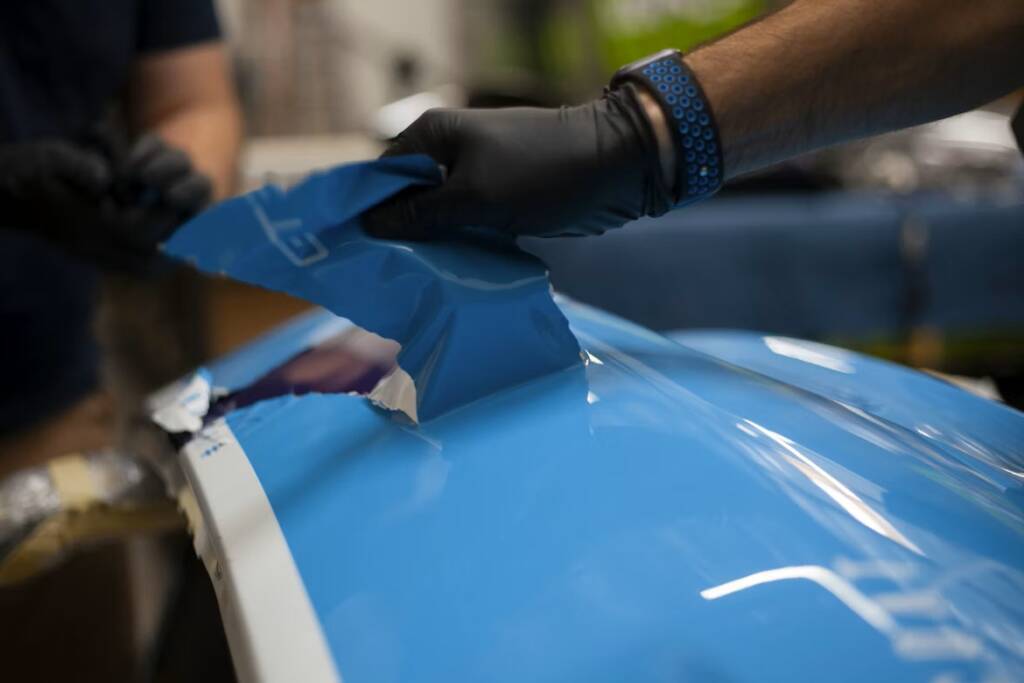
Technically possible in some cases, but not recommended by SFG Wraps. Wrapping over an existing wrap adds thickness to the vinyl stack, can create edge visibility issues, and prevents proper inspection and preparation of the underlying paint. Any existing adhesion failures or contamination beneath the old wrap become trapped and can cause the new wrap to fail prematurely. Proper removal and paint preparation always produces a superior, longer-lasting result.
How long does wrap removal take?
For a standard passenger vehicle, professional removal typically takes four to eight hours. Larger vehicles — vans, trucks, food trucks — may take a full day. If adhesive residue is particularly stubborn due to an aged or low-quality original wrap, additional time may be required. SFG Wraps coordinates removal timing to minimize your vehicle’s time out of service.
Will removal damage my paint?
When performed by a trained professional using proper techniques and tools, vinyl removal does not damage factory paint or high-quality aftermarket paint. The risk of damage increases if the vehicle’s paint had pre-existing adhesion issues, rust, or significant chips before wrapping. This is why SFG Wraps performs a paint inspection during the initial consultation — so any concerns are identified and addressed transparently.
My commercial wrap is only 2 years old but my branding has changed significantly. Should I replace it?
Yes. A wrap displaying outdated branding actively undermines your business image — it creates confusion for customers and signals a lack of attention to detail. The cost of a wrap replacement is far less than the cost of brand confusion, missed calls to a disconnected number, or the impression of a business that has not kept pace with its own growth. SFG Wraps works efficiently with commercial clients to minimize vehicle downtime during a rebrand.
Can SFG Wraps match my new wrap to a current commercial or fleet standard?
Absolutely. For fleet operators, color and finish consistency across all vehicles is critical. SFG Wraps maintains detailed records of the materials, colors, and specifications used on client fleets, enabling precise matching when individual vehicles are replaced or updated. We also provide brand standards documentation for clients who want to manage wrap consistency across future additions to their fleet.
I have a leased vehicle with a wrap — what happens at lease return?
We recommend scheduling wrap removal with SFG Wraps at least one to two weeks before your lease return date. This gives us time to properly remove the wrap, clean any adhesive residue, and inspect the paint condition. If any minor paint touch-up is needed, you will have time to address it before the dealer inspects the vehicle. We have helped hundreds of Bay Area lease customers return their vehicles in perfect condition.
Ready for a Fresh Start? SFG Wraps Is Here.
Whether your wrap is showing clear signs of age, your business branding has evolved, you are returning a lease, or you simply want a new look that turns heads — the SFG Wraps team is ready to help you plan your next wrap. With over 20 years of combined experience, certified 3M installers, premium materials from 3M, Avery Dennison, and KPMF, and a track record of 5-star customer experiences across the Bay Area, SFG Wraps is the partner you want for the job.
Contact us today for a free assessment of your current wrap and a no-obligation quote for your replacement. We serve all of San Francisco, Oakland, San Jose, Fremont, Berkeley, Palo Alto, and the entire Bay Area.
| How to Reach SFG Wraps | Details |
| Website | sfgwraps.com |
| Phone / Text | 510-552-5658 |
| Studio Address | 35325 Fircrest St., Suite G, Newark, CA 94560 |
| Hours | Monday – Friday, 9:00 AM – 5:00 PM |
| @sfgwraps | |
| Get a Quote | sfgwraps.com/get-a-quote/ |